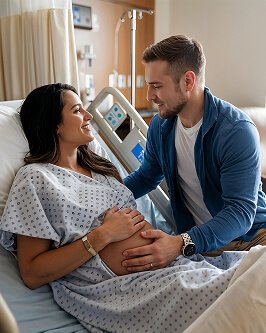
Premarital screening in the context of in vitro fertilization (IVF) represents a proactive and comprehensive approach to reproductive health, reflecting the growing recognition of the importance of genetic and medical assessments before embarking on the journey to parenthood. This premarital screening process is designed to identify potential genetic disorders, infectious diseases, and other health considerations that may impact fertility or pose risks to the future offspring. By integrating advanced medical diagnostics and genetic testing, premarital screening in IVF empowers couples with crucial insights into their reproductive health, allowing for informed decision-making and tailored interventions when necessary. This thoughtful and preemptive approach underscores the commitment to optimizing the chances of a healthy conception and pregnancy, laying the foundation for a successful and informed reproductive journey.
Premarital screening in the context of in vitro fertilization (IVF) encompasses a diverse range of tests aimed at evaluating the health and genetic compatibility of couples planning to embark on their journey to parenthood.

Premarital screening identifies potential genetic disorders or carrier status, offering couples critical insights into the risk of transmitting hereditary conditions to their offspring. Early detection allows for informed decision-making, facilitating the choice of appropriate IVF treatments or interventions to mitigate genetic risks.
Screening for infectious diseases, such as HIV, hepatitis B and C, and syphilis, is crucial in preventing the transmission of infections during pregnancy or childbirth. Identification and management of infectious diseases create a safer environment for assisted reproduction, reducing risks to both partners and potential offspring.
Understanding blood type and Rh factor compatibility is essential to avoid complications during pregnancy, especially Rh incompatibility issues. Early identification allows for proactive measures, ensuring a harmonious blood relationship between partners and minimizing potential risks during fertility treatments and pregnancy.
Tests for thyroid function and blood sugar levels assess hormonal and metabolic imbalances that can impact fertility and pregnancy. Early detection and management of these imbalances contribute to a conducive environment for successful conception and reduce potential risks during pregnancy.
Ultrasound scans assess the reproductive organs for structural abnormalities that may hinder fertility. Early identification allows healthcare providers to tailor fertility treatments, addressing specific challenges and optimizing the chances of successful conception.
Semen analysis evaluates the quality and quantity of sperm for male partners. Identifying and addressing male fertility issues enables targeted interventions, ensuring that chosen assisted reproductive techniques align with the specific needs of the couple.
Screening for autoimmune diseases helps identify conditions that might impact fertility or pregnancy outcomes. Early detection allows for appropriate management, potentially contributing to a healthier pregnancy and improved outcomes for both the mother and the baby.
Premarital screening offers a holistic overview of the couple’s health, addressing various factors that could influence fertility and pregnancy. The comprehensive understanding gained through screening guides healthcare providers in developing personalized treatment plans, increasing the likelihood of successful IVF outcomes.
Couples undergoing premarital screening gain a deeper understanding of potential challenges, fostering psychological preparedness and resilience as they navigate the IVF journey.
In conclusion, premarital screening in the context of in vitro fertilization (IVF) represents a critical juncture in the journey toward parenthood. This comprehensive assessment offers couples a profound understanding of their genetic compatibility, potential health risks, and essential factors influencing fertility. The benefits extend beyond risk identification, encompassing infectious disease management, assurance of blood compatibility, hormonal optimization, and insights into male fertility. Premarital screening serves as a roadmap, guiding couples and healthcare providers toward personalized treatment plans, fostering psychological preparedness, and ultimately increasing the likelihood of successful IVF outcomes. It underscores the integration of advanced medical insights and personalized care, shaping a more informed and resilient approach to assisted reproductive technologies. As couples navigate the intricate landscape of fertility treatments, premarital screening stands as a beacon, illuminating the path to parenthood with knowledge, preparation, and the promise of a healthier and more successful reproductive journey.
Premarital screening is crucial as it helps identify potential health risks and genetic disorders early on. This allows individuals to make informed decisions about family planning, take necessary precautions, and contribute to the overall well-being of the couple and future generations.
Premarital screening commonly includes blood tests for sexually transmitted infections (STIs), genetic tests to identify carrier status for inherited disorders, and immunological tests to assess immunity levels. These tests provide a comprehensive overview of the individuals’ health.
Premarital counseling provides a supportive space for couples to address concerns, fears, or misconceptions about the screening process and its results. It helps them gain clarity, ask questions, and receive guidance on making informed decisions based on their test results.
Book your consultation with our fertility experts the first step toward your parenthood journey.