

Testicular Sperm Aspiration (TESA) Procedure in Detail:
Before TESA, the male partner undergoes a thorough evaluation, including a physical examination, semen analysis, and hormonal tests to assess the nature and cause of infertility.
TESA is chosen when there is a need to retrieve sperm directly from the testicles due to issues with sperm production or transport. It is commonly employed in cases of non-obstructive azoospermia or when obstructive azoospermia is present, and other methods like PESA are not suitable.
TESA is typically performed under local anesthesia or conscious sedation to ensure patient comfort during the procedure. The choice of anesthesia depends on the patient’s preference and the complexity of the case.
A fine needle or a small, thin tube is carefully inserted into the testicular tissue. The needle is used to aspirate a small amount of tissue containing sperm. The aspiration is done meticulously to minimize discomfort and potential damage to the testicular tissue.
The aspirated tissue, which contains sperm, is then carefully removed. Multiple aspirations may be performed in different areas of the testicles to increase the chances of retrieving an adequate number of sperm.
The collected tissue is transported to the laboratory, where the sperm are isolated and processed for use in assisted reproductive technologies (ART). This processing may involve washing, concentration, and preparation for use in subsequent procedures like in vitro fertilization (IVF) or intracytoplasmic sperm injection (ICSI).
The processed sperm is used for fertilization. In IVF, the sperm and eggs are combined in a culture dish to facilitate fertilization, while in ICSI, a single sperm is directly injected into an egg. The choice between IVF and ICSI depends on various factors, including the quality of the sperm.
Fertilized eggs grow as a embryos in a lab within controlled environment. The embryonic development is monitored for several days to assess the quality and viability of the embryos.
Once the embryos reach an optimal stage of development, one or more embryos are selected for transfer into the uterus. This procedure done through the cervix by using a thin catheter.
Following embryo transfer, the woman undergoes regular monitoring to assess the success of the procedure. Pregnancy is confirmed through the detection of beta-hCG, and subsequent ultrasounds are used to monitor fetal development.
Percutaneous Epididymal Sperm Aspiration (PESA) Procedure in Detail:
Benefits of TESA (Testicular Sperm Aspiration) and PESA (Percutaneous Epididymal Sperm Aspiration) Procedures:

In conclusion, Testicular Sperm Aspiration (TESA) and Percutaneous Epididymal Sperm Aspiration (PESA) stand as pivotal interventions in the landscape of male factor infertility, offering hope and possibilities to couples striving to overcome challenges in natural sperm production or transport. These minimally invasive procedures provide a pathway to biological parenthood by directly retrieving sperm from the testicles or epididymis. The success of TESA and PESA is nuanced, influenced by factors such as the underlying cause of infertility, patient-specific considerations, and the integration of retrieved sperm with advanced assisted reproductive technologies. As integral components of fertility treatments, TESA and PESA exemplify the convergence of medical expertise, technological advancements, and the profound desire of individuals and couples to embark on the transformative journey toward building their families. With careful consideration and a collaborative approach between patients and their medical teams, TESA and PESA contribute to the realization of parenthood dreams, underscoring the remarkable possibilities within the realm of reproductive medicine.
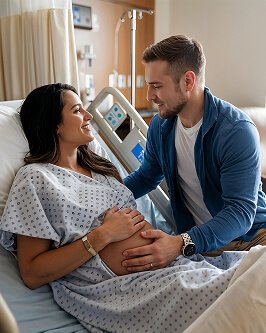
IVF involves stimulating a woman’s ovaries to produce multiple eggs, retrieving those eggs, fertilizing them with sperm in a lab, and transferring resulting embryos back into the uterus.
How is Tesa different from Pesa? Tesa is about getting sperm directly from the testicles, while Pesa involves drawing sperm from the epididymis. The choice between them depends on the specific condition and individual circumstances. Tesa/Pesa procedures are usually done with local anesthesia to reduce discomfort during sperm retrieval. Some people might feel a bit uncomfortable or sore afterward, but over-the-counter pain medication can help manage this.
Book your consultation with our fertility experts the first step toward your parenthood journey.

